Background: Geometric Design
Mosaics
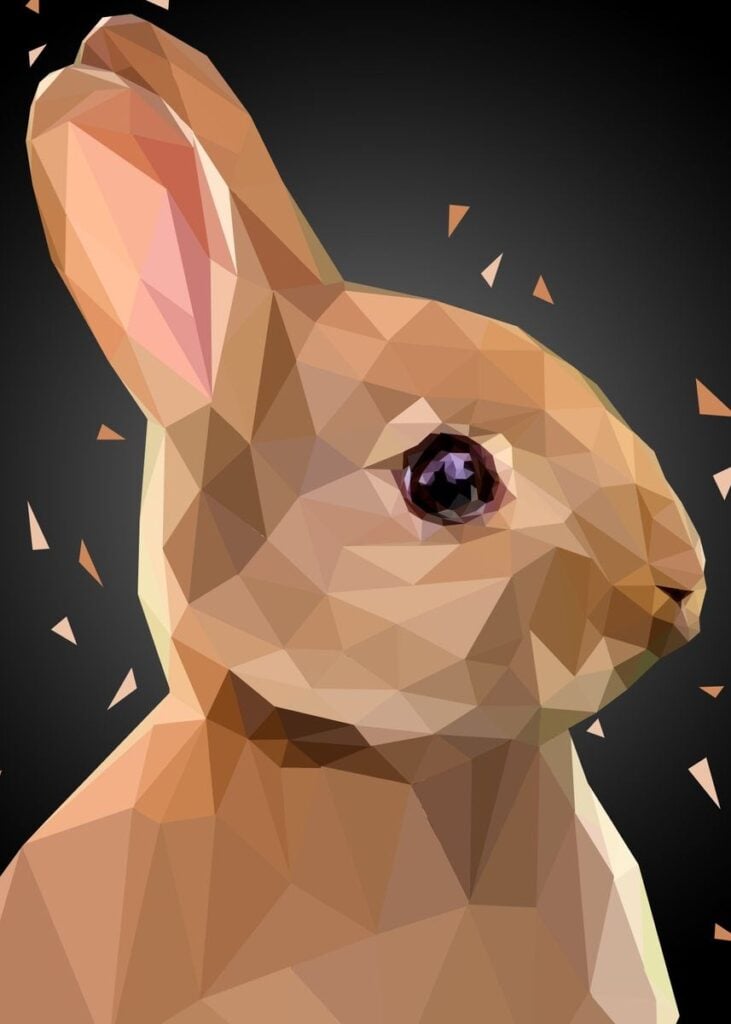
Low Poly Art
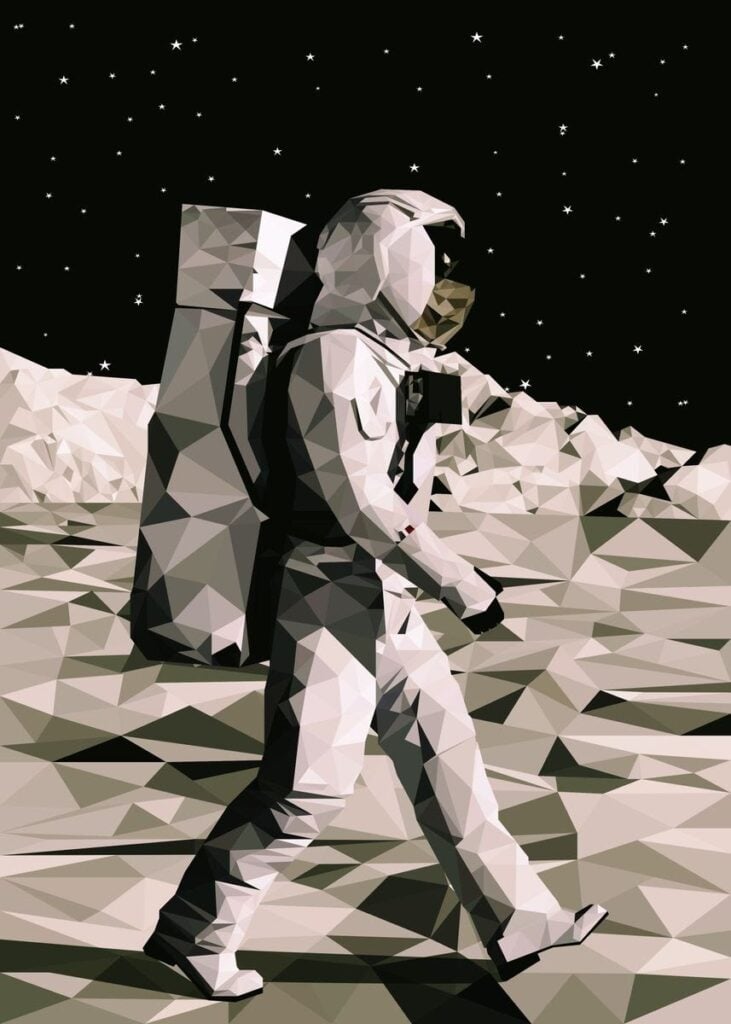
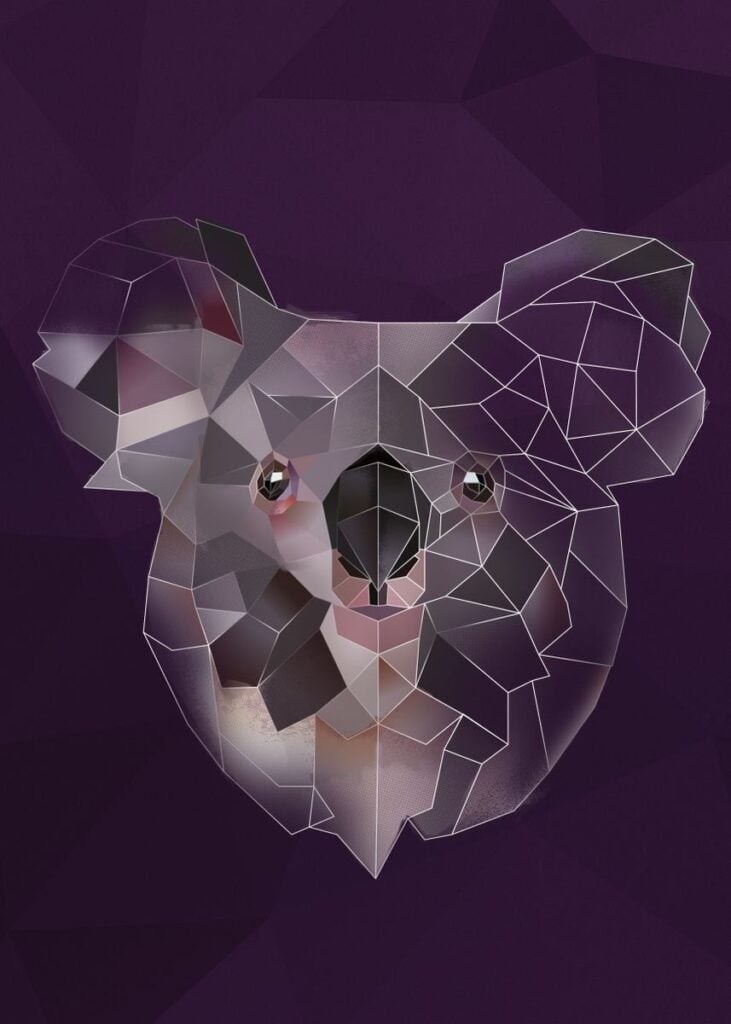
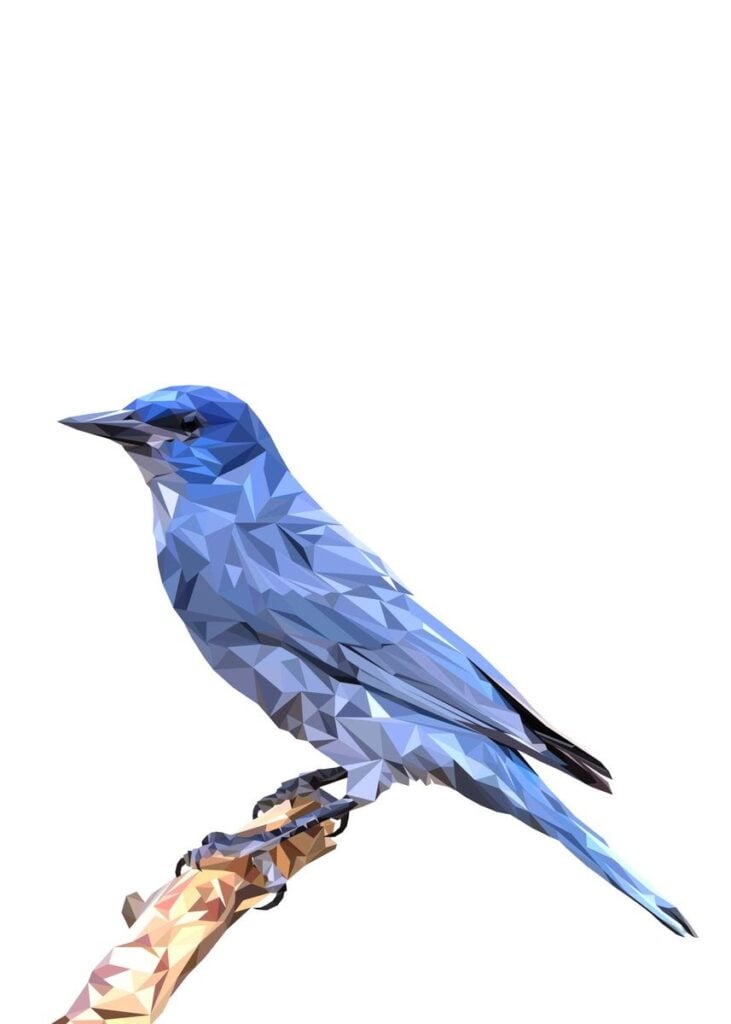
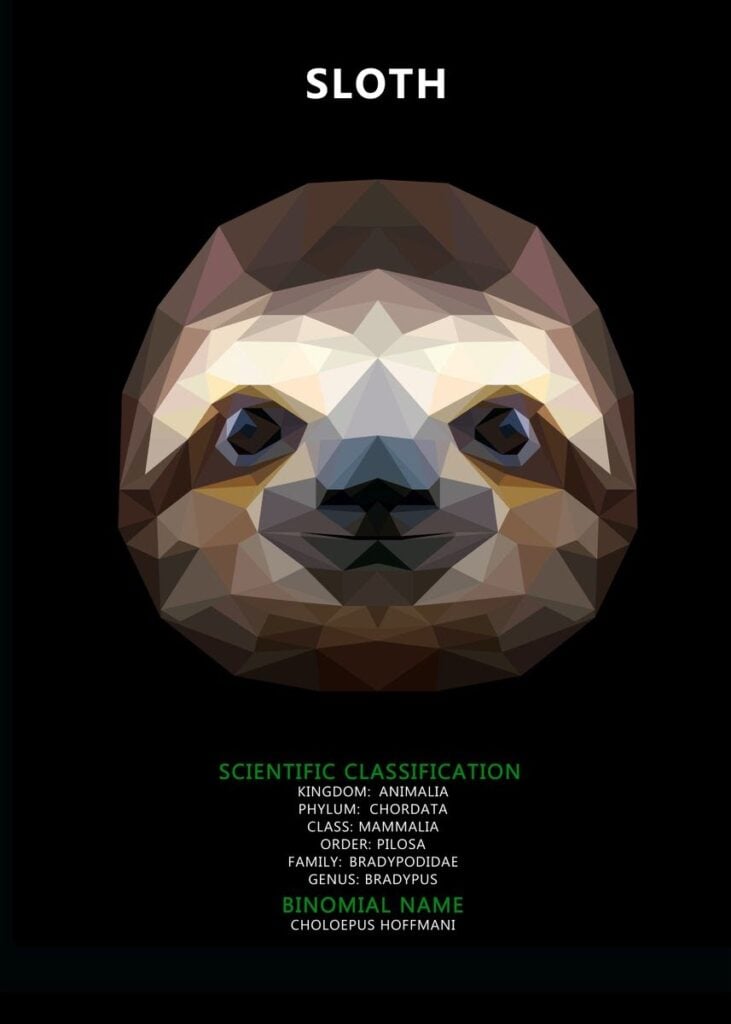
Low poly art, short for low polygon art, is a minimalistic art style used in video game design, animation, and illustration. It favors straightforward colors and geometry over details and life-like realism. Originally a product of hardware limitations, it is now considered a style in and of itself, with its iconic blocky imagery gaining traction among artists and designers of today.Low Poly Revival
So, why is low poly still relevant, and what does it bring to the table?
The operative word is nostalgia.
To see the blocky textures and spiky edges is to fleetingly warp back through the decades. The same way we had a wave of developers creating games that mimicked the 2D pixel art of their first gaming experiences, we now have devs who grew up during the early days of 3D, wanting to emulate the titles of their childhood.
But pining for the games of yore isn’t the whole story.
Unlike modern high poly graphics, the minimalist low poly art style is geared toward making the player use their imagination. By utilizing a visual style that simplifies aspects of the game, developers encourage players to fill in the gaps themselves.
Readability is another important aspect of low poly. Let’s take Lovely Planet, a low poly shooter game, as an example. It uses both color and silhouette to identify each enemy instantly. All the enemies are red, so they stand out in the scenery. Also, each enemy type has a distinctive shape so that you can react to them appropriately.
A bonus reason to revive the low poly art style? It looks gorgeous in its own right!
Low Poly Art Today
Going back to the mid-1990s, low poly emerged as a style of its own around late 2013 when graphic artists began to revise the difference between high poly and low poly. While the low poly style is derived from video games, it’s now being used in all kinds of graphic design, from posters to logos, and even sculptures and tattoo art! 


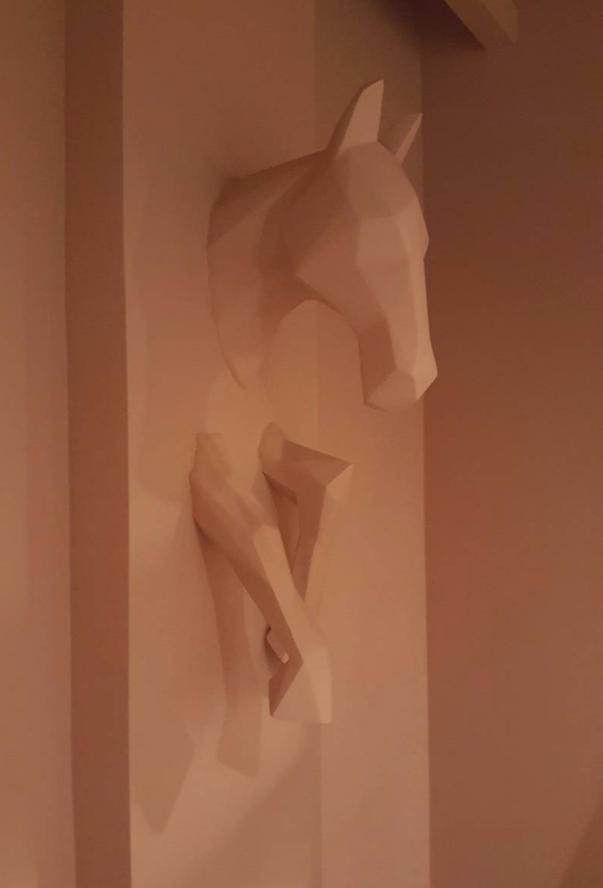
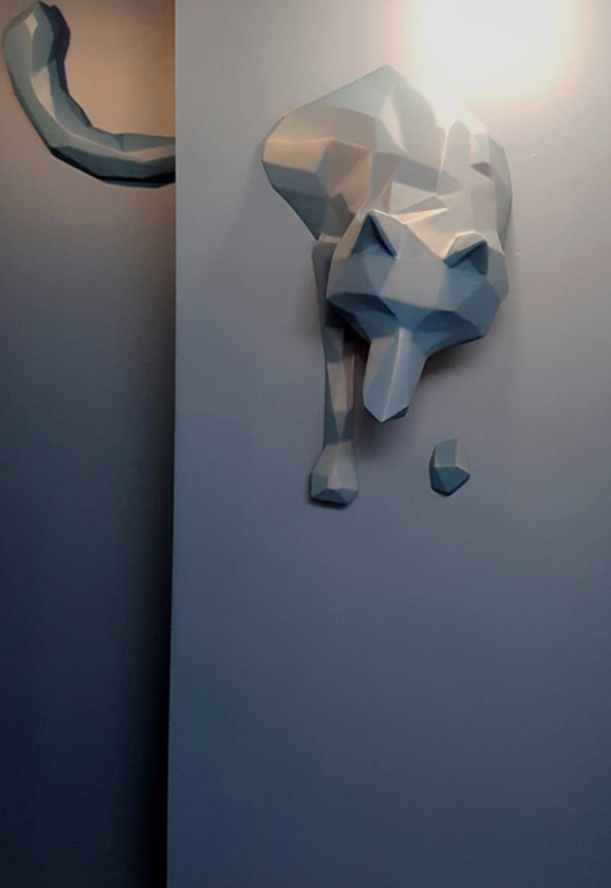
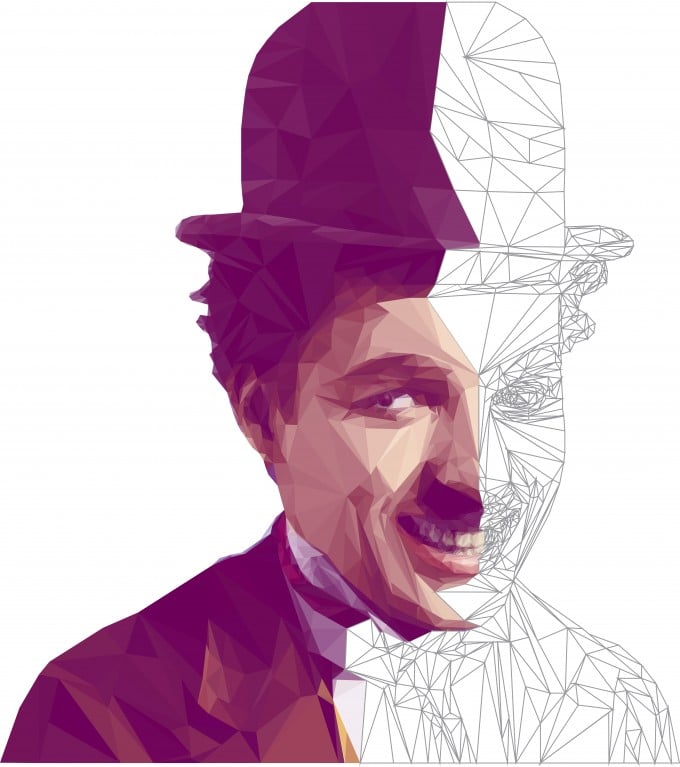
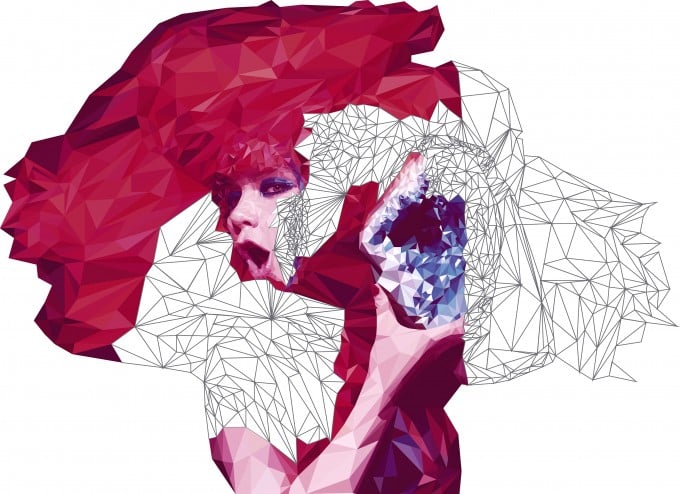
Modern low poly has come a long way from the cobbled-together meshes of the early 3D era. It has evolved to become something rather like modern-day cubism, with artists blending simple geometry with super high resolution and the latest technology in lighting.
And it’s precisely this low fidelity meets high fidelity approach that makes modern low poly art so appealing.